A controlled supply chain, from the choice of ingredients to your table

Quality you can feel

Our fresh pasta comes from a rigorous and transparent process that we monitor internally every day at every stage: from the selection of raw materials, to the kitchen, from production to packaging, up to the warehouse. Each step is carefully controlled to ensure freshness, safety and constant taste.


We collaborate with selected suppliers, mainly Italian, buying mainly ingredients in full form to evaluate their quality at the source. The raw materials are subjected to continuous analysis to ensure the highest standards, every day.
Strict controls, daily passion

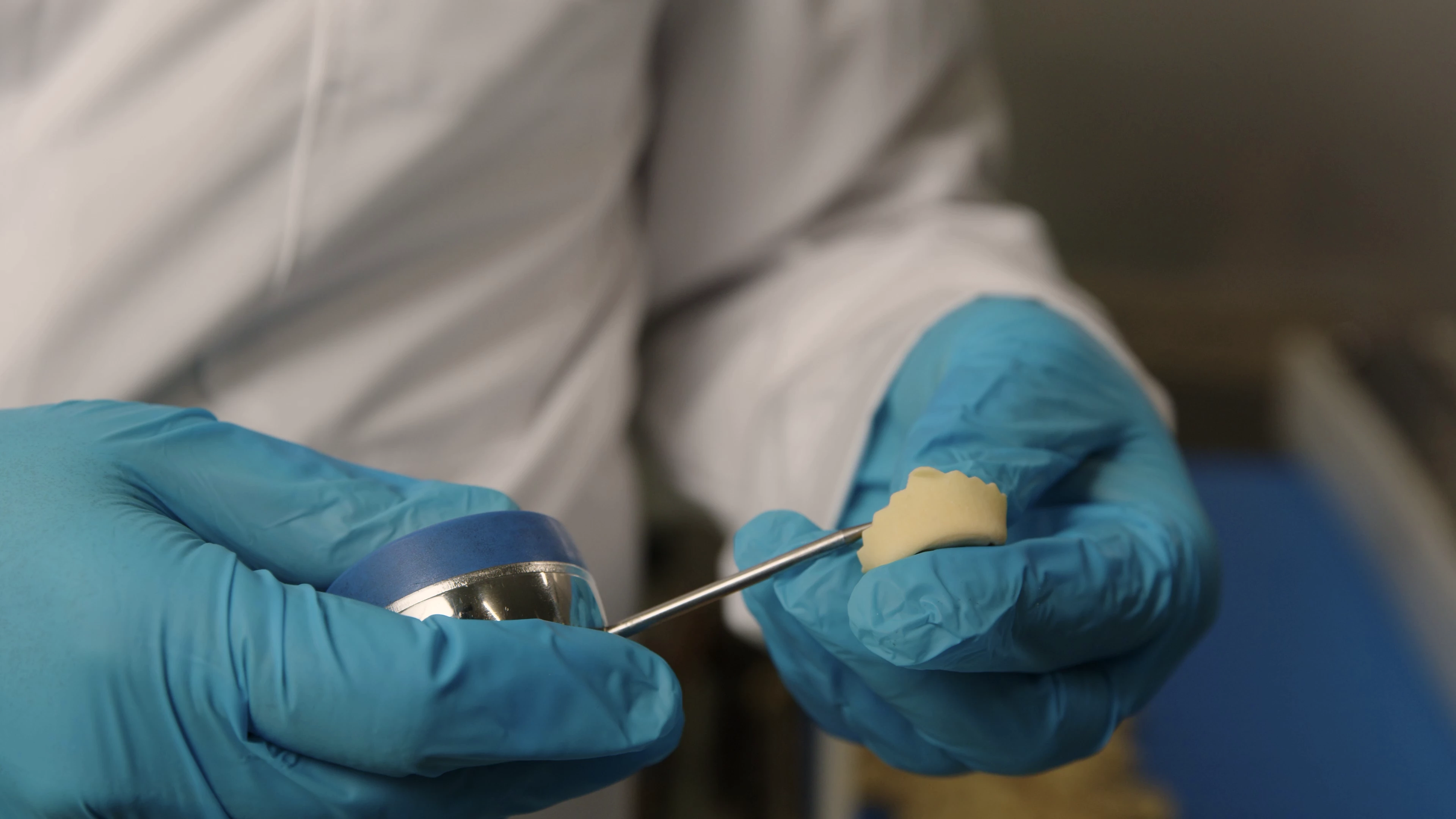
Every 30 minutes, a Scoiattolo operator carries out a double check during the production phase: we check the correct pasteurisation – at very precise temperatures, so as not to stress the pasta – and we monitor the ideal storage conditions of the finished product.


Every day we cook, taste and analyse our products to ensure the perfect balance between texture and flavour, verifying moisture, filling structure and microbiological stability. It involves teamwork between expert pasta makers and food technologists that translates into real quality, perceptible to taste and sight.

Tailor-made recipes, always recognisable flavour

We have developed over 200 recipes and more than 30 different formats: each product has a precise identity, which we respect and protect through detailed studies, accurate checks and continuous tasting tests. For us, quality and results are a responsibility: a commitment that we renew every day, to bring to the table only the best of our fresh pasta.

Concrete sustainability, not only declared

Attention to the environment accompanies our assessments and business choices. Our packs are made with monomaterial materials and up to 70% recycled plastic, innovative labels capable of promoting the complete recycling of packaging, while transport cartons are made with 80% recycled paper.
We join the CYCLE4GREEN project for the internal recycling of silicone-coated paper, usually waste not destined for reuse, transforming it into new labels and significantly reducing CO₂ emissions and water consumption.